
People don’t remember what you said. They remember how you made them feel. That’s the quiet truth behind every meaningful conversation-whether it’s with a coworker, a partner, or a stranger on the bus. Talking the talk isn’t about sounding smart or using the right words. It’s about showing up as yourself, listening like you mean it, and letting silence breathe between sentences. In a world flooded with scripted replies, automated responses, and performative small talk, real dialogue has become a rare act of courage.
There’s a side of London’s nightlife that gets a lot of attention online-uk glamour girl escort-but that’s not the kind of connection most people are looking for. Real talk doesn’t come with a price tag. It doesn’t need a booking system. It just needs two people willing to be honest, even when it’s uncomfortable.
Why Most Conversations Fall Flat
Think about the last time you had a conversation that left you feeling empty. Maybe you talked about the weather. Maybe you exchanged pleasantries about work. Maybe you both nodded along while waiting for your turn to speak. That’s not talking. That’s performing. We’ve trained ourselves to treat conversations like job interviews: answer the question, stay safe, don’t reveal too much.
But human connection doesn’t grow in the safe zone. It grows in the messy middle-when someone says, "I’m not okay," and you don’t rush to fix it. When you admit you’re scared. When you ask, "What’s really going on?" and actually wait for the answer.
Studies show that people who regularly engage in deep conversations report higher levels of life satisfaction. Not because they solved problems, but because they felt seen. One 2023 study from the University of California found that participants who spent just 10 minutes in a meaningful chat with a stranger felt significantly more connected than those who talked about surface-level topics. The difference wasn’t the content. It was the presence.
The Art of Listening Like You Mean It
Most of us think listening is passive. That it’s just waiting for your turn to talk. But real listening is active. It’s noticing when someone’s voice cracks. It’s picking up on the pause before they say something they’re nervous to say. It’s holding space for what’s unsaid.
Try this: next time someone tells you something personal, don’t respond with "I know how you feel." Instead, say, "That sounds really heavy." Or, "I’m glad you told me." You don’t need solutions. You don’t need to fix it. You just need to be there.
Think of listening like catching a ball. If you’re always looking at your own hands, you’ll miss the throw. Real listening means dropping your agenda, your checklist, your next reply-and just receiving what’s being offered.
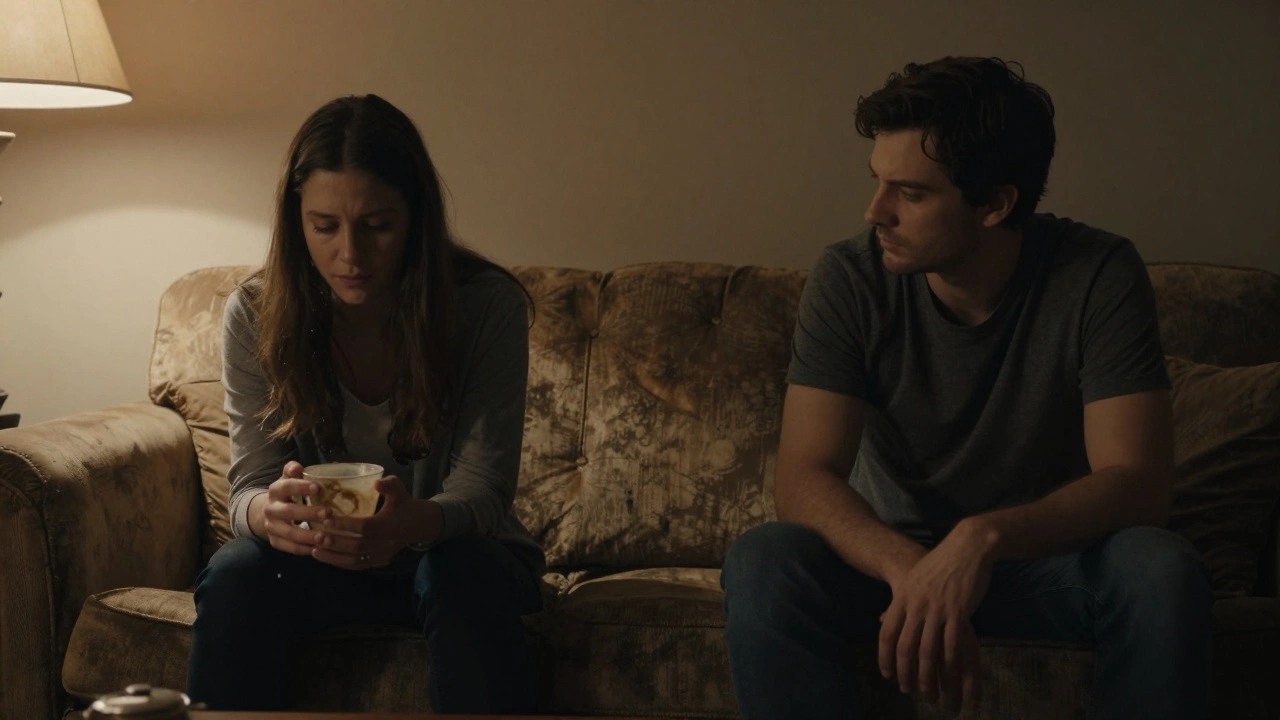
How to Start Tough Conversations Without Screwing It Up
It’s easy to talk about your weekend. It’s hard to say, "I’ve been feeling really alone lately." Or, "I think we need to talk about how we’re not connecting anymore." Here’s how to make it less terrifying:
- Start with "I" statements. Say, "I’ve been feeling..." instead of "You never..."
- Choose the right moment. Not right after they get home from work. Not during an argument. Pick a quiet time when you’re both relaxed.
- Give them permission to not respond right away. Say, "I just needed to say this. You don’t have to reply now."
These aren’t tricks. They’re acts of respect. You’re not trying to win. You’re trying to be heard-and you’re giving the other person the same chance.
The Power of Silence
Silence isn’t awkward. It’s sacred.
We rush to fill quiet spaces because we’re afraid of what might happen if we don’t. But some of the most powerful moments in conversations happen when nothing is said. When someone is crying and you just sit with them. When someone is thinking and you don’t interrupt. When you both know something big just changed, and words aren’t enough.
Try this: the next time there’s a pause in a conversation, don’t jump in. Count to three. Let the silence sit. You might be surprised what comes next.

Why Talking the Talk Isn’t About Being Perfect
You don’t need to be witty. You don’t need to be charismatic. You don’t need to quote Nietzsche or drop pop culture references. You just need to be real.
One of the most moving conversations I ever had was with a stranger at a bus stop in Perth. We were both waiting for the 5:15. I said, "This rain feels like it’s been going on forever." She smiled and said, "Yeah. Feels like the whole world’s holding its breath." We talked for 17 minutes. About grief. About losing her brother. About how hard it is to keep going when no one asks how you’re really doing.
She didn’t say anything profound. I didn’t either. But we showed up. And that’s all it took.
What Happens When We Stop Talking the Talk
When we stop pretending, when we stop performing, something shifts. Relationships deepen. Loneliness lessens. People start trusting you-not because you’re impressive, but because you’re safe.
That’s why real talk matters. It’s not about influence. It’s about belonging. It’s about knowing that you don’t have to be fixed to be loved.
And if you’re wondering how to start-just ask. "How are you, really?" Then wait. Don’t rush. Don’t fill it. Just listen.
Because sometimes, the bravest thing you can do isn’t speaking up.
It’s staying quiet long enough to hear someone else.
And if you ever feel like you’re not good at this-that you’re awkward, or you say the wrong thing-that’s okay. You’re not supposed to be perfect. You’re supposed to be present.
So go ahead. Talk the talk. Not the polished version. Not the rehearsed one. The real one. The one that’s messy, uncertain, and full of heart.
Someone out there is waiting to hear it.